Audubon Magazine, July 2026
Patching up the Prairie
Scroll ↓
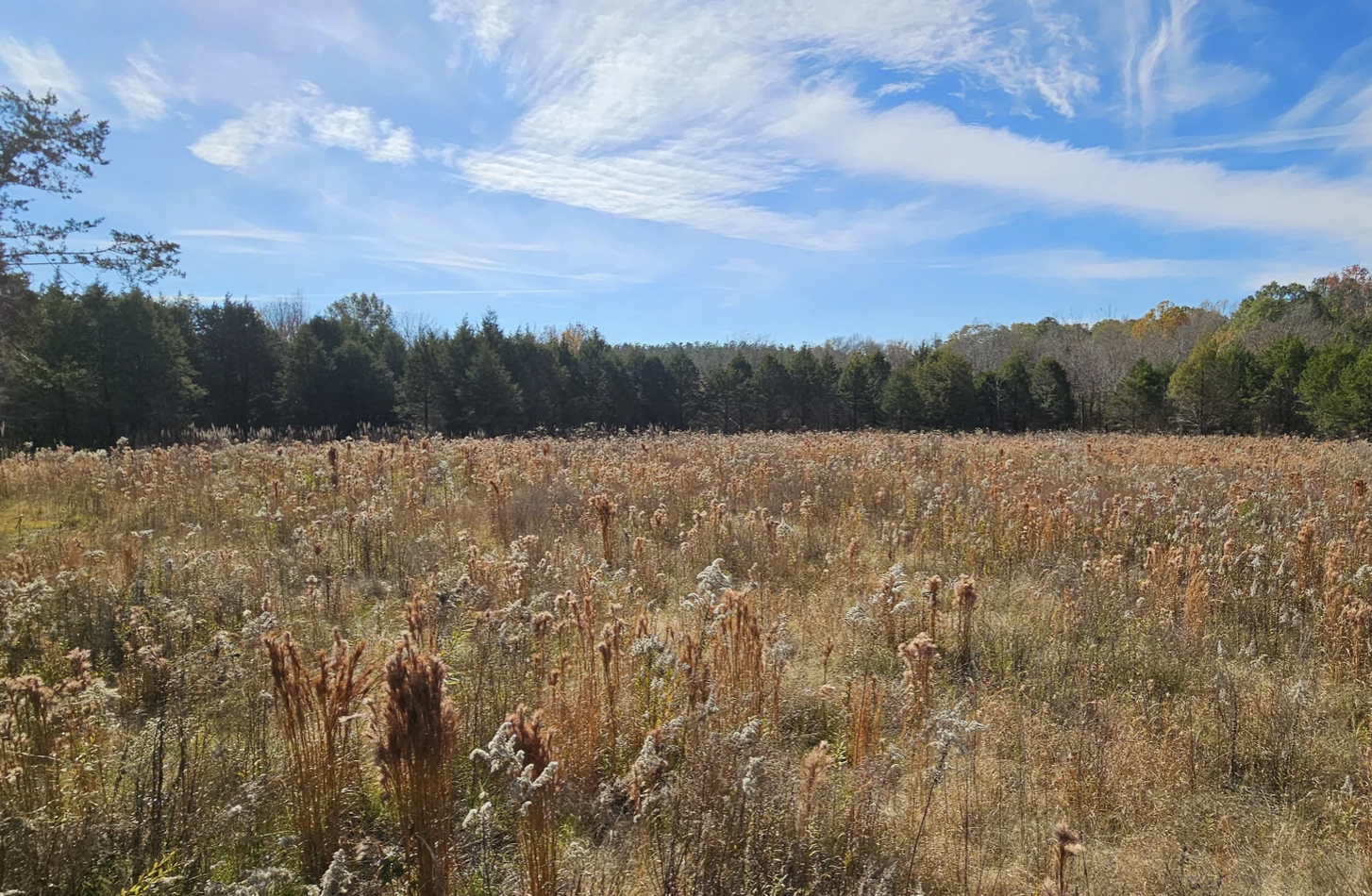
Last winter, Lianne Koczur traveled to Central Alabama to glimpse a landscape of the past—and perhaps one for the future. Dense, dormant grass covered the 100-acre field. “Most people would walk up and wonder, ‘What’s so special about this? There’s nothing here,’” says Koczur, science and conservation director at Alabama Audubon. She knew better: As the sun rose, the glowing prairie fluttered to life with Sedge Wrens, Common Yellowthroats, and a variety of sparrows.
Koczur is working to understand how birds use these prairie patches and to justify why their preservation and restoration matters. The Black Belt tallgrass prairie, a crescent-shaped swath across Alabama and Mississippi, once made up the largest grassland in the eastern United States. In the 1800s, however, cotton growers depleted its rich soil by the forced labor of enslaved people, leaving behind a poor landscape and even poorer communities. Today less than 1 percent remains of the historic prairie.